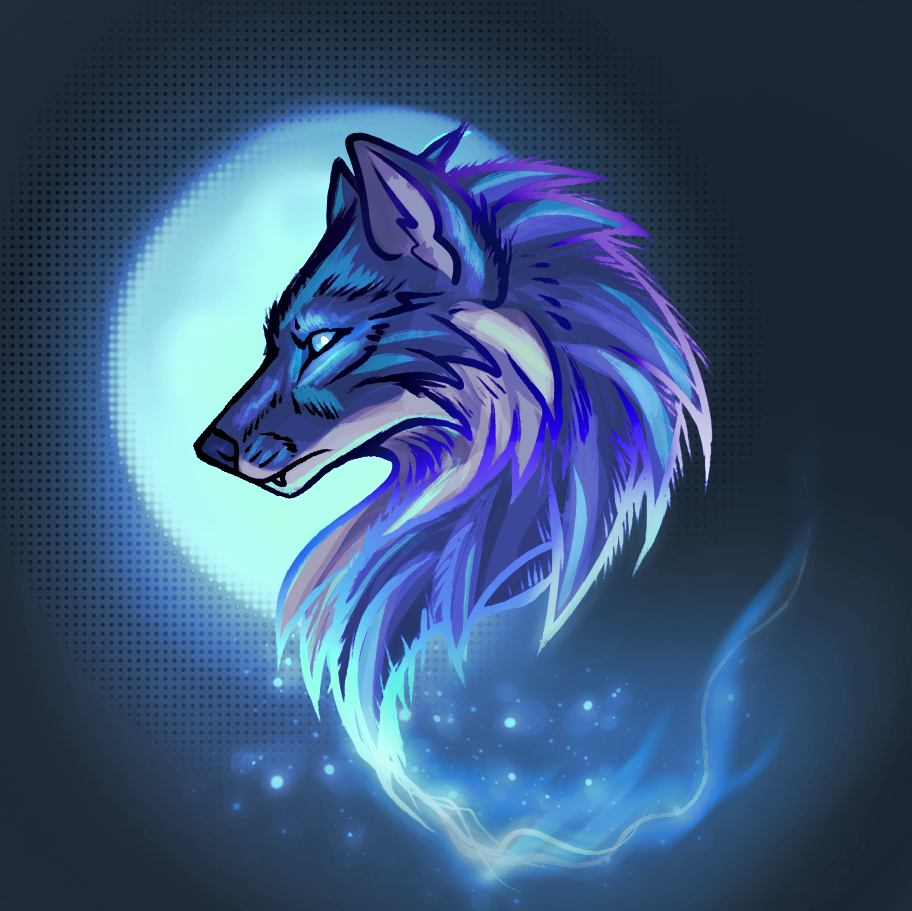
Made for the imaginative
Keep the wild part close.
Fantasy animal art works because it gives familiar creatures a little more room to become themselves. A wolf can carry the charge of a storm. A dragon can feel ancient instead of generic. A gryphon can be proud, watchful, awkward, gentle, or all of those at once. The point is not to make every creature louder. It is to give it a presence you can feel.
Wolvensoul creates original animal and creature art with bold color, strong silhouettes, and a sense of atmosphere. Some pieces are made to live on a desk mat, a tee, or a sticker. Others begin as a commission, where a favorite creature, character, companion, or imagined scene becomes a one-of-one piece of art.
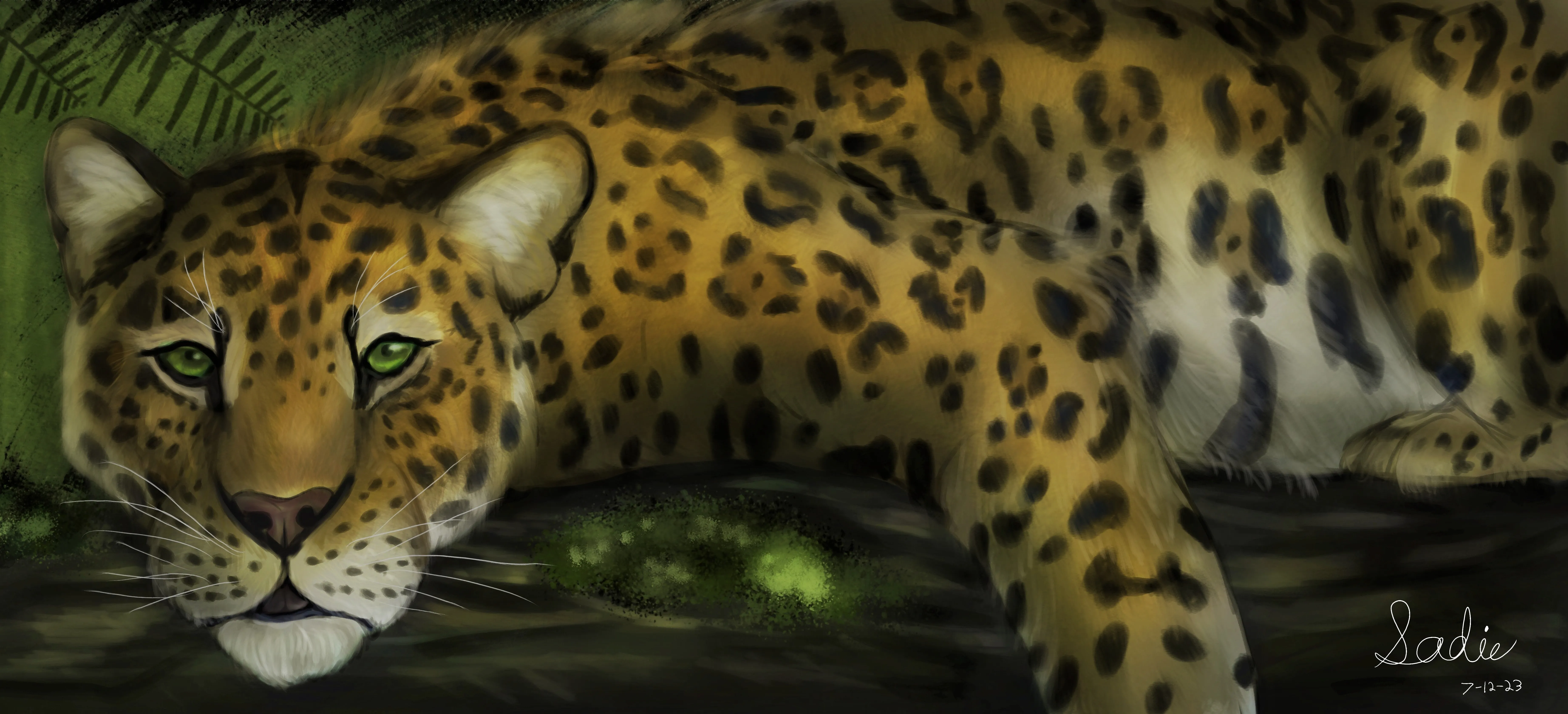
More than a mascot
Give the creature a point of view.
The strongest fantasy animal art does not depend on a long encyclopedia of lore. It can start with a glance, a posture, a color choice, or the feeling that this creature has been somewhere before the frame begins. That is why animals make such powerful starting points. We already read their ears, eyes, movement, and stance without needing an explanation.
Adding an imaginative edge lets the character go further. Fire can become part of a tiger's energy. An electric blue highlight can make a wolf feel like it belongs to a different sky. Feathers, horns, scales, scars, or markings can turn a familiar silhouette into something unmistakably individual. The best details clarify character. They do not bury it.
For a custom piece, this is where a simple request becomes memorable. A creature can reflect an original character, a personal symbol, a loved animal, or simply the type of image you would be happy to see every day. There is room for quiet pieces as well as dramatic ones. The mood can be watchful, playful, grounded, tender, fierce, strange, or calm.
The details that matter
Make it recognizable before you make it elaborate.
When a creature is meant to feel personal, the small choices do the heavy lifting. A certain ear shape can make a wolf feel alert instead of severe. A soft shift from gold to rust can make a dragon feel sun-warmed rather than dangerous. A chipped horn, a bright eye, a scar, or an unusual feather pattern can be enough to make the image belong to a particular character instead of any creature.
Those details work best when they have a clear order. Start with the silhouette and expression, then decide which colors and markings carry the identity. Add a setting only when it gives the character somewhere meaningful to exist. A deep blue night, an ember-lit ridge, a field of tall grass, or a burst of storm color can change the entire reading of the piece without competing with the subject.
The right reference does not need to be another finished illustration. A photo of a real animal can help with stance, coat texture, and the way a body carries weight. A small color sample can show whether a blue needs to feel icy, electric, or midnight-dark. A note about a favorite memory, game, or story can explain why the creature matters. These are useful signals because they point to the feeling behind the request instead of asking for a copy of someone else's work.
That balance also makes an artwork easier to live with. A piece can be detailed without becoming busy, bold without becoming exhausting, and fantastical without losing the animal underneath. Whether you are choosing something from the collection or considering a commission, look for the work that still feels alive after the first glance. That is the piece you will keep noticing in the best way.