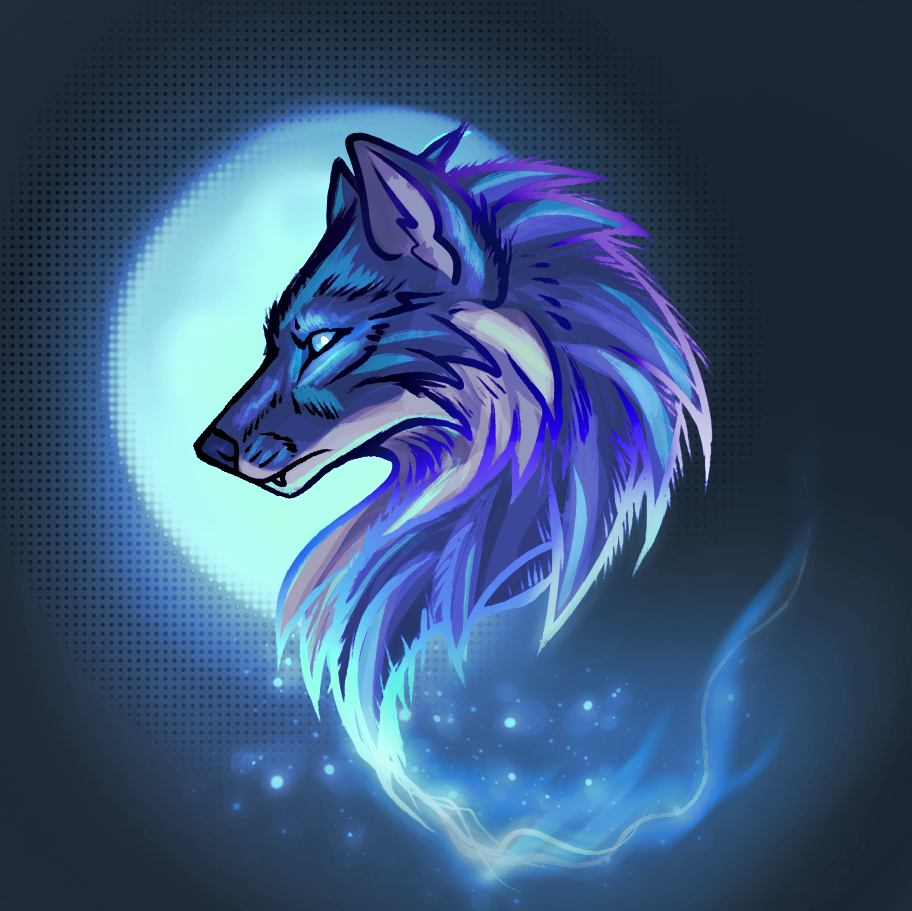

Commissioning an artist is not about finding the longest list of instructions. It is about finding a visual match, explaining what matters to you, and agreeing on a process before anyone starts drawing. A good commission gives you a piece that feels personal while giving the artist enough clarity to make strong creative choices.
That can be a favorite animal, a creature from an original world, a companion for a desk setup, or a piece of artwork made simply because the image has been living in your head for too long. The steps below make the process easier to navigate, especially when this is your first custom piece.
1. Start with the right artistic fit
Look for more than a subject match. An artist may draw wolves, dragons, big cats, or birds beautifully, but the bigger question is whether their work carries the mood you want. Compare line work, color, lighting, pose, expression, and how much realism or stylization appears in the portfolio. A soft naturalist study and a high-energy electric creature design can both be excellent, but they answer different creative briefs.
Browse a range of finished work before reaching out. Wolvensoul's creature art gallery is a useful way to see how subjects, palette, and atmosphere change from piece to piece. If you already know you want custom art, the commission page is the place to check the current request path. When an artist's existing body of work makes you say, "I want that feeling," you are in a much stronger starting position than if you only like one isolated image.
Be honest with yourself about the kind of flexibility you want. If the goal is to recreate a specific pose exactly, say so up front. If the goal is a one-of-one interpretation of your idea, give the artist space to solve the visual problem. The best results tend to happen when the request is clear about the heart of the piece without trying to dictate every pencil stroke.
2. Decide what the finished piece needs to do
Before you write a message, define the job of the artwork. Is it a personal digital piece, a print for a wall, an avatar, a gift, a book or game asset, or an image you plan to display on social media? The answer changes the useful details. A desk mat may benefit from a wide composition. A profile image needs a strong focal point at a small size. A scene for a print can carry more background and storytelling.
It also helps to name the non-negotiables. For a creature commission, that might mean a particular species, a meaningful marking, a relationship between two animals, a certain season, or a specific emotional note. Everything else can fall into a second tier. A short priority list is far easier to work with than a page where every detail seems equally important.

A useful way to organize your brief is:
- Must-have: The subject, main pose or action, and the features that make it recognizably yours.
- Preferred: Palette, setting, accessories, lighting, or a feeling you would like included.
- Avoid: Colors, expressions, environments, or themes that would make the piece feel wrong.
This structure does not make a commission stiff. It gives the artist a map. The more clearly you separate essential choices from optional inspiration, the more confidently the artist can compose the final image.
3. Build a brief that is easy to read
A commission brief is simply a compact creative handoff. Lead with one sentence that states the idea plainly: "I would like a moonlit portrait of my silver-gray wolf character, calm rather than aggressive." Then add the details in an order that makes sense: the subject, mood, pose or scene, important features, then references.
References are helpful when they explain something words cannot. Use them to point to a coat pattern, horn shape, landscape, color family, or kind of lighting. Do not worry about finding a perfect image for every idea. A few well-chosen examples, paired with a short explanation of what you like about each one, are better than a folder of thirty unrelated images.
It is also worth saying where the reference stops. "I like this blue-violet night palette, but I do not want the same pose" is a clear and respectful instruction. The artist can take the useful signal without mistaking another artist's finished work for a blueprint to copy.
4. Send a first message that makes a reply easy
Once you have the essentials, keep the first message short enough to scan. Artists often receive requests while they are also drawing, packing orders, or managing current projects. A clean first note makes it easier for them to tell you whether the idea is a fit and what information they need next.
You do not need to sound formal. A friendly, direct message works well:
"Hi, I love the mood of your creature pieces. I am looking for a personal digital commission of a black-and-blue wolf with a calm, watchful expression. I would like a moonlit setting, and I have three reference images for the markings and palette. My ideal budget is around [range], and I would love to have it by [date] if your schedule allows. Could you let me know whether this is a fit and what you would need from me?"
That message answers the basic questions without pretending the whole project has already been decided. It tells the artist why you chose them, what you are asking for, and where they have room to recommend a better approach. If you are unsure about budget or size, say that plainly and ask for options. The point is to start a useful conversation, not to lock yourself into a request before you understand the artist's process.
Be prepared for an artist to say no, offer a different scope, or point you toward a later opening. A clear no is better than a rushed yes. It keeps you from paying for a piece that does not fit the artist's strengths or their actual schedule.
5. Talk about budget, timing, and usage before work begins
Bring up budget early. It is not awkward, it is practical. Your budget helps the artist recommend a scope that makes sense, whether that is a polished portrait, a more detailed scene, a sketch, or a different format. A direct range is useful when you have one. If you do not, ask what options are available for the kind of piece you have in mind.
Timing deserves the same clarity. Share the date that matters and why it matters, especially for a gift, event, or launch. Leave room for the artist's existing workload and for revisions. A rush fee may be reasonable in some cases, but it is never safe to assume that an artist can fit an urgent request into an already full queue.

Usage is the part people often skip because it feels less visual, but it matters. Personal display, posting online with credit, printing copies, publishing in a project, and using artwork to sell a product are different permissions. The U.S. Copyright Office's copyright basics explains that copyright protects original creative work, while its work made for hire guide shows why ownership questions can be more specific than "I paid for it, so it is mine."
Ask the artist what is included, then get the answer in writing. For a personal commission, this can be a short, plain-language agreement covering payment, deliverables, revision rounds, credit, and allowed uses. For commercial work, licensing and ownership deserve more care. This guide is not legal advice, so use a qualified attorney for an agreement with meaningful commercial stakes.
6. Agree on feedback before the first sketch arrives
Feedback works best when you respond to the right stage of the process. Early sketches are the moment to catch composition, pose, silhouette, and big storytelling choices. Color studies are the moment to talk about palette and atmosphere. Once an image is deeply rendered, changing the entire pose or scene may require rebuilding a large amount of work.
Give feedback in a way the artist can act on. "The character feels too stern, could the expression be more curious?" is useful. "Something is off" makes the artist guess. When possible, name what you want to preserve as well: "Keep the angle and the moonlight, but soften the ears." It keeps a revision from accidentally solving one issue by losing the part you already loved.

Most artists set a revision limit for a reason. It protects both sides from an endless loop of tiny changes. Read the revision policy, gather your notes before replying, and prioritize the few adjustments that will make the biggest difference. Thoughtful, consolidated feedback helps the project move forward without draining the energy out of it.
7. Know when to pause, clarify, or walk away
A healthy commission does not require either person to ignore a concern. Pause and ask questions when the scope changes sharply, a deadline becomes unrealistic, payment terms are unclear, or the artist's interpretation is moving away from the agreed direction. That does not automatically mean the project has failed. It often means the two of you need to return to the brief and decide what can change without changing the whole job.
Clarity matters more than trying to be easygoing. If you need commercial permission, a print-ready file, or a certain level of detail, bring it up before payment rather than hoping it will appear at the end. In the same spirit, respect an artist's boundaries around subject matter, edits, and turnaround. A commission is a collaboration, and good boundaries make it more enjoyable for everyone involved.
8. Know what you will receive at the end
Before final payment or delivery, confirm what comes next. Ask which file formats you will receive, the image dimensions, whether a background-free version is included, and how the artist would like to be credited when you share it. If the piece is intended for print, ask about the recommended print size and color profile. If it is intended for online use, ask for a version that will stay sharp at the size you need.
Save the final files somewhere you control, along with the agreed terms. It is a small administrative step, but it keeps the artwork easy to enjoy later. You can also share the finished piece in a way that supports the person who made it: credit the artist, link to their work when appropriate, and follow any posting terms you agreed to.
Commissioning creature art from Wolvensoul
Wolvensoul focuses on original animal and creature art, from a single subject to a fully imagined scene. The strongest starting point is a short description of the creature, the atmosphere you want, and a few references that show the details you care about. The current commission details live on the Wolvensoul commissions page, and the speedpaint and process videos offer a look at how artwork develops.
If a custom piece is not the right fit right now, you can still bring original creature art into your everyday space through the current collection of tees, desk mats, and more.
Frequently asked questions
What should I include in an art commission request?
Include the subject, intended use, a short description of the mood or story, the details that matter most, and a small set of relevant visual references. Add your budget and ideal deadline when you know them, then leave room for the artist's own visual judgment.
How much detail is too much for a commission brief?
A useful brief prioritizes the few things that make the piece feel personal. Too many equal-priority directions can make a concept harder to read. Give the artist your must-haves, your nice-to-haves, and any details they should avoid.
Who owns a commissioned artwork?
That depends on the agreement and the law that applies to the project. Ask about personal display, printing, commercial use, and whether the artist may share the finished work. Put the agreed usage terms in writing before work begins.
For a helpful overview of common licensing choices, Creative Commons also explains its standard license tools. Commission terms are individual, so the artist's written agreement remains the source for what you may do with a specific piece.

