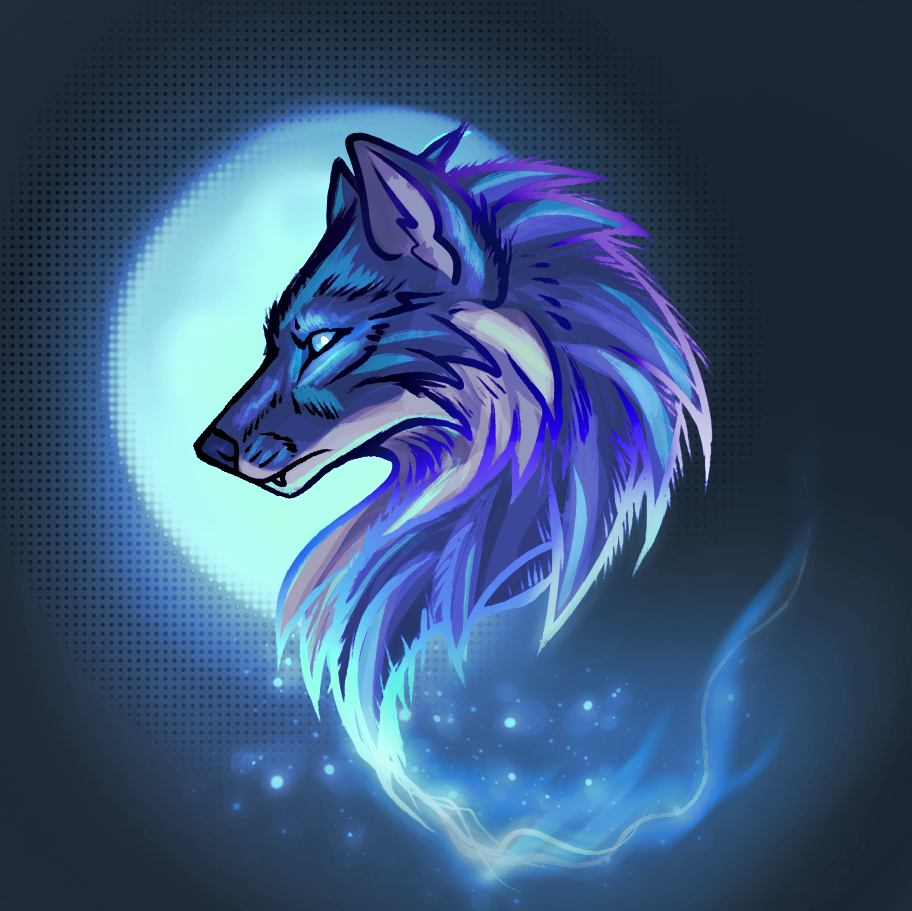

An art commission is a new piece of artwork made around a request from one person to one artist. It might be a portrait of a favorite animal, an original character, a scene for a gift, or a creature that has been living in your head for years. Unlike buying a print or ready-made original, a commission begins before the image exists. You and the artist agree on what should be made, what it will cost, and how the process will work.
That sounds simple, but it is exactly why commissions can feel intimidating at first. A buyer wants something personal without accidentally asking for the impossible. An artist needs enough direction to make a strong piece without being handed a confusing stack of instructions. The goal is not a perfect design document. It is a clear, respectful starting point that gives both people the same picture of the project.
What an art commission actually is
At its most useful, a commission is a collaboration. The buyer brings the reason for the artwork: a character, memory, mood, creature, or setting that matters to them. The artist brings the visual language, technical skill, and judgment that turn that idea into a finished image. The buyer is not purchasing every decision the artist makes. They are asking the artist to create a particular piece within an agreed scope.
That scope can be small or large. A simple digital creature portrait might focus on one character, a plain background, and a single expression. A larger scene may include multiple characters, a detailed setting, lighting, props, and print-ready files. Neither is more legitimate. The important thing is that the price, time, and revision expectations match the kind of artwork being requested.
For buyers, this is the main difference between commissioning art and picking something already available in a store collection. Existing work is ready to choose because the artist has already made the subject, composition, and creative choices. A commission is for the idea that needs to be yours: a particular wolf, dragon, companion, color story, or moment that does not exist yet.
What usually gets agreed before the artist begins
A good commission does not need pages of legal language to begin, but it should have a few clear decisions in writing. The artist's commission page or terms may already cover many of them. Read those first, then ask questions about anything that is not clear.
- The subject: Who or what is being drawn, including the details that make it feel specific.
- The scope: Portrait, full body, scene, background, number of characters, complexity, and final format.
- The price and payment: The total, deposit or payment schedule, and what happens if the request changes.
- The timeline: When the artist expects to start, the estimated delivery window, and any date that truly matters.
- Revisions: Which stage allows feedback and how many rounds are included.
- Usage: Whether the work is for personal display, social sharing, printing, a business, or another commercial purpose.
These are not fussy extras. They prevent the two most common commission problems: assuming the other person understood an unstated expectation, and discovering too late that a change requires more time or a different price. A short written summary in a message can be enough when it accurately reflects what both people agreed to.
Price follows the scope, not just the subject
It is normal to wonder why two commissions of a wolf or dragon can have very different prices. The subject alone does not tell the whole story. A close portrait, a full-body character, and a complete scene may all feature the same creature, but they require different amounts of design, drawing, rendering, and revision time. Background complexity, extra characters, unusual armor or markings, print preparation, and commercial rights can all change the scope too.
The most useful budget conversation is direct and early. If you have a range in mind, say it. The artist can tell you what kind of piece fits it, whether a simpler composition would be a better match, or whether the idea needs a larger budget. That is more helpful than asking for an exact quote while leaving the size and complexity of the request undefined.
Price should also be clear about what happens when the brief changes. Adding a second character, moving from a simple background to a detailed scene, or asking for a new pose after approval can all mean extra work. That does not make a buyer difficult. It simply means the project has become bigger than the original agreement. A clear artist will explain the options before carrying on.
Start with the feeling, then add the facts
Many people freeze because they think they need to arrive with every visual decision finished. You do not. Artists are used to helping turn a loose idea into something clear. A strong first request can start with the emotional center of the image: "I want a protective moonlit wolf," "I want a dragon that feels ancient and gentle," or "I want a creature portrait that matches my dark blue desk setup."
From there, add the details that cannot be missed. That might be a coat marking, a species, a specific color family, a scar, a pair of antlers, or the relationship between two creatures. Then separate those must-haves from the details that are simply nice to have. That gives the artist room to compose the image instead of trying to give every small instruction equal weight.

Reference images help when they explain something words cannot. A photograph can show a coat pattern. A color swatch can show the kind of blue you mean. A favorite Wolvensoul piece from the gallery can show the mood or level of detail you respond to. The useful part is a note about what you like in each reference. "This pose feels calm" or "I like this amount of contrast" tells the artist far more than a pile of unrelated images.
References should guide the request, not become a demand to copy someone else's finished artwork. It is fine to point to lighting, anatomy, colors, or texture. It is more respectful and more likely to produce a one-of-one result when you let the artist interpret those ingredients through their own work.
What the commission process often looks like
Every artist has a different process, but most commissions move through the same basic rhythm. First, the artist checks whether the request fits their subject matter, availability, and current pricing. Once the scope is clear, they confirm the payment arrangement and collect any references. Then the artwork moves from an early idea toward a finished piece.
Early approval is where the biggest decisions belong. A sketch is the right time to discuss pose, silhouette, composition, and the main story of the image. When the shape of the piece is working, later stages can focus on line work, color, lighting, and finish. Waiting until a fully rendered image arrives to ask for a new pose or a completely different scene can mean rebuilding the project from the ground up.

Thoughtful feedback is specific and prioritized. "Keep the moonlight, but make the ears more relaxed" gives an artist something useful to act on. "Something feels wrong" leaves them guessing. It also helps to gather your notes before replying rather than sending a stream of small changes one at a time. That keeps the process clear and protects the energy of the finished work.
What a good commission request does not need
You do not need to apologize for being new to commissions. You do not need a polished character sheet, an encyclopedic backstory, or a folder of dozens of references. You also do not need to speak in artist jargon. Plain descriptions are better than vague confidence. "A strong, quiet wolf in cool colors" is useful. "Make it look good" is harder to act on because it gives the artist no sense of what you value.
It is equally helpful to avoid treating a commission like a rush-order product with unlimited adjustments. Custom art takes thought, and an artist's process exists to protect the quality of the piece as well as their time. Bring your questions, be clear about what matters, and give feedback at the agreed stages. That is how a commission stays personal without becoming stressful for either person.
Personal use and commercial use are not the same
One question deserves special attention: what will you do with the finished artwork? A personal commission usually means you can enjoy the image, post it according to the artist's terms, and keep it as part of your collection. It does not automatically mean you can print products, use the image in a game, place it on business packaging, or sell it as part of something else.
The U.S. Copyright Office's overview of copyright explains that original visual work is protected by copyright. Paying for a commission and owning a file or print are not always the same as owning every right to reproduce it. If you have commercial plans, say so before the project begins. An artist can then explain whether that use is available, what license would cover it, and how it changes the scope or price.
This is not a reason to make a personal commission feel complicated. It is a reason to be plain. Tell the artist whether the piece is for your wall, your profile, a gift, a tabletop campaign, a book, a business, or merchandise. The right time to settle the question is before work starts, not after you fall in love with the finished image.
How to know you are ready to ask
You are ready to contact an artist when you can explain the core idea, share a few references if they help, and be honest about your budget or desired scale. You do not need to know the final pose, every color, or the perfect technical term for what you want. You do need to be open to the artist's feedback about what will make the piece work.
A simple message can be enough: "I would love a personal digital commission of a blue-gray wolf with a calm, watchful feeling. The moonlit colors in your gallery are close to what I have in mind. I have a few reference images for the markings and would like to understand the available options and timing." That gives the artist a clear opening without pretending that every choice has been decided.
Commissioning creature art from Wolvensoul
Wolvensoul creates original animal and creature artwork, from a single subject to an imagined scene with its own atmosphere. Browse the gallery to see the range of creatures, color, and mood already in the work. When a custom piece feels like the right path, the current request process and availability are on the commissions page.
For a fuller walkthrough of choosing an artist, preparing references, discussing budget, and giving feedback, read How to Commission an Artist: A Practical Guide. It builds on this introduction with a step-by-step way to turn an idea into a strong brief.
Frequently asked questions
Is an art commission the same as buying a print?
No. Buying a print means choosing an existing artwork that is reproduced for sale. An art commission is a new piece made around your request. The artist and buyer agree on the subject, scope, price, timeline, and permitted uses before the work begins.
Do I need a fully finished idea before commissioning art?
No. A good starting point can be as simple as a creature, a mood, and a few details that matter to you. Reference images can help explain markings, colors, or atmosphere, but an artist can help shape the rest of the concept.
What should I ask before paying for a commission?
Ask what the price includes, how payment works, when the artist expects to start and finish, how many revision rounds are included, what files you will receive, and what personal or commercial uses are allowed. Keep the answers in writing.
Can I use commissioned art for a business or product?
Only when the artist has granted that use in writing. Paying for a commission does not automatically transfer every right in the artwork. Explain commercial plans before the project starts so the artist can offer the right license, scope, and price.

