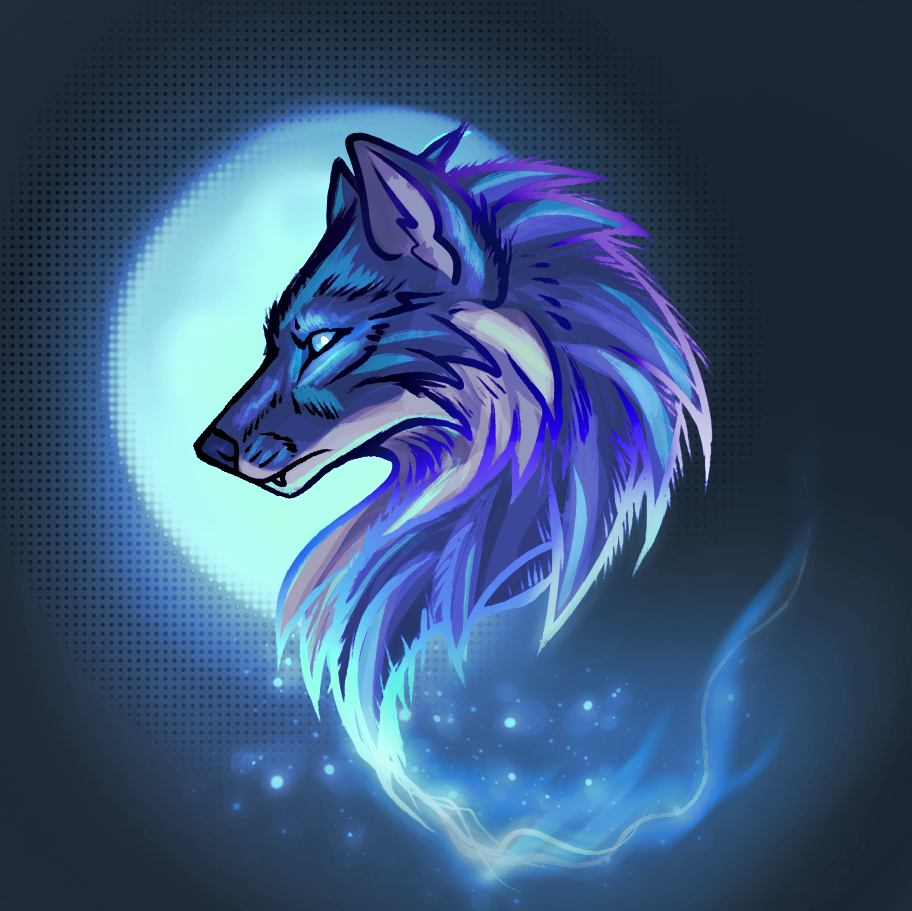

Finding an artist to commission is less about scrolling until you see one image you like and more about finding a creative match you can trust. You are asking someone to turn an idea into a finished piece, so their body of work, their process, and the way they communicate all matter. The right fit makes the project feel clearer before the first sketch even exists.
You do not need to know every art term or arrive with a perfect character sheet. You do need a sense of what you want the piece to feel like and the patience to look beyond a single post. This guide gives you a practical way to find an artist, compare portfolios, and start the conversation without making the process heavier than it needs to be.
1. Start with the kind of artwork you actually want
Before you search, name the core of the piece in plain language. Is it a portrait of a favorite animal, an original character, a fantasy creature, a gift, a scene for a wall, or a piece of art for an everyday object? A simple answer helps you search with more purpose and makes it easier to recognize a good fit when you see one.
Then think about the feeling. You may want a wolf that feels calm and watchful, a dragon that looks ancient rather than aggressive, or a bright gryphon that has more energy than realism. Those are useful directions because they point to visual choices an artist already makes: pose, expression, palette, texture, and atmosphere.
It also helps to separate the must-haves from the nice-to-haves. Your must-haves could be a particular species, coat pattern, eye color, setting, or mood. Nice-to-haves are details you would enjoy but can leave open. That distinction keeps you from rejecting an artist simply because one small part of a sample piece does not match a detail you have not even decided is essential.
If you are still deciding what kind of creature art speaks to you, browse a range of finished work in Wolvensoul's creature art gallery. Notice which subjects make you pause, then notice why. The answer may be the colors, the amount of detail, the expression, or the sense that the creature has a life beyond the frame.
2. Look where artists show their work clearly
An artist's own website, portfolio, shop, or commission page is usually the best place to start. It gives you a fuller view than a single social post and often tells you whether the artist is open, what they make, and how they prefer to be contacted. Social platforms can still be useful for discovering new work, especially when they lead you back to the artist's main portfolio.
Search by subject and style, not only by the word "commission." Try phrases that reflect the work you want, such as "creature illustrator," "fantasy animal artist," "wildlife-inspired character art," or the specific species you have in mind. Add terms that describe the visual feeling you want, such as "ink," "painterly," "dark," "colorful," or "gentle." The goal is to find artists who already make work in the neighborhood of your idea.
Do not overlook artists whose finished work is sold on products or prints. A strong shop can be a useful portfolio because it shows which pieces the artist considers complete and how their art holds together across a collection. Wolvensoul's current collection, for example, lets you see original animal and creature work in several everyday formats before deciding whether a custom piece is the better path.
A directory, marketplace, or recommendation can widen the search, but treat it as the start of research rather than the decision itself. Always follow through to the artist's own work. You are looking for evidence that they can make the kind of piece you want, not simply evidence that they have a profile somewhere.
3. Judge a portfolio by patterns, not one perfect image
One striking image can catch your attention. A portfolio tells you whether the artist is a reliable fit. Open several pieces and look for patterns in the parts that matter to you: how animals are posed, how faces and eyes are handled, whether backgrounds feel spare or story-rich, whether colors are quiet or electric, and whether the work feels loose, graphic, detailed, or painterly.

For a creature commission, pay special attention to expression and silhouette. An artist who repeatedly gives animals a strong sense of posture is more likely to understand the difference between alert, protective, playful, distant, and fierce. If you want a fantasy edge, look at how they use horns, feathers, scales, lighting, and color. Strong details should sharpen the creature's personality, not bury it.
Variety is useful too. You do not need an artist to have drawn your exact species before, but you do want to see that they can solve related visual problems. Someone who draws wolves, big cats, birds, dragons, and original creatures may have a broader grasp of animal energy than someone who has only made one isolated piece that resembles your request.
At the same time, do not ask an artist to abandon the very qualities that made you choose them. If their portfolio is full of bold color and stylized animals, they may not be the right choice for a muted scientific illustration. A good match begins when the artist's natural strengths and your hoped-for result overlap.
4. Check whether the artist's process fits your project
Beautiful work matters, but a commission also has a practical side. Look for information about availability, how requests are handled, whether the artist works from a brief, what kind of feedback they accept, and how they share finished files. An artist does not need a complicated system to be professional. Clear expectations are enough.
Some artists keep commission details on a dedicated page. Others share them through a current post or ask people to contact them first. Neither approach is automatically better. What matters is whether you can get straightforward answers about scope, payment, timing, revisions, and usage before you commit. Those details protect both the buyer and the artist from a project becoming vague halfway through.
Be careful about treating a commission like an off-the-shelf product. Custom art takes time, and an artist may be working around a full schedule, different project sizes, or a particular process for sketches and approvals. A thoughtful artist might say your idea needs a simpler scope, a different timeline, or a later opening. That is useful information, not a bad sign.
For a clear overview of what a custom piece involves, read What Is an Art Commission? A Buyer's Guide. It explains the core decisions that should be settled before work begins, including scope, price, revisions, and the uses you need from the finished art.
5. Prepare a short brief before you reach out
Once you find a portfolio that feels right, give the artist a starting point they can understand quickly. You do not need a long document. A good first brief is often one or two short paragraphs plus a few references. Lead with the subject, the mood, and the details that must stay visible. Then mention the intended use, your approximate budget if you have one, and any deadline that actually matters.

For example: "I'm looking for a personal digital piece of a blue-gray wolf character with a calm, watchful expression. I'd love a moonlit setting and have a few references for the markings and color. The pose can be your interpretation, but I would like the eyes and tail shape to stay recognizable. It will be for personal display, and I'm hoping to have it by early November if that fits your schedule."
That gives the artist something real to respond to without pretending you have already solved every creative choice. If you need help organizing your idea, Wolvensoul's practical commissioning guide walks through references, priorities, budget, timing, and feedback in more detail.
Use references to explain the ingredients, not to ask for a copy. A photo can show a real animal's markings. A color sample can show the kind of blue you mean. A favorite piece from an artist's own portfolio can show which part of their work drew you in. Add a short note about what you like in each reference, such as the pose, lighting, or mood, so the artist does not have to guess.
6. Send a respectful first message
Your first message should make it easy for the artist to tell you whether the project is a fit. Start by saying what you enjoy about their work, then share the core of your request. Keep it focused. A friendly note with the right details is more useful than a large attachment dump or a message that only says, "How much for art?"

Try a structure like this: "Hi, I really like the atmosphere and animal expressions in your work. I'm interested in a personal commission of a wolf character, with a quiet moonlit feeling rather than an action scene. I have three references for markings and palette, and I'm flexible on the pose. Could you let me know whether this is a fit, what size of commission would make sense, and what information you'd need from me?"
That leaves room for the artist to recommend a format, ask useful follow-up questions, or be honest if they are not available. It also shows that you recognize their work as creative work, not a vending machine for images. The difference matters. A good commission starts as a conversation, not a negotiation over a mystery product.
7. Confirm the important details before you pay
Before a project begins, make sure you both understand what is being made and how the process will work. Confirm the price or price range, payment schedule, expected timeline, revision stages, final file type, and any details that change the scope. If the piece is a gift, print, profile image, game asset, or business use, say so before the quote is finalized.
Usage deserves special attention. The U.S. Copyright Office's copyright basics explains that original creative work receives copyright protection. Paying for an artwork or receiving a file does not automatically mean every reproduction or commercial use is included. Ask what personal sharing, printing, business use, or merchandise use is permitted, then keep the answer in writing.
This is not about turning every small project into a legal ordeal. It is about avoiding the most common preventable misunderstanding: one person assumes a use is included, while the other assumed it was not. Clear terms leave more room to enjoy the actual artwork.
Finding the right fit for creature art from Wolvensoul
Wolvensoul is a strong fit when you are drawn to original animal and creature art with bold color, expressive silhouettes, and a sense of atmosphere. Browse the gallery to see the work across wolves, dragons, big cats, gryphons, and other imagined wild things. The range makes it easier to see whether the mood of the work matches the creature you have in mind.
When you are ready to explore a custom idea, the current process and availability are kept on Wolvensoul's commission details page. You can also start with the custom animal art page or the fantasy animal art page to clarify what kind of piece feels most like yours. If a custom request is not the right step today, a finished piece from the shop may already carry the character and color you want to keep close.
Frequently asked questions
Where can I find artists open for commissions?
Start with the artist's own website, portfolio, social profiles, or commission page. Look for a current availability note, recent work, and a clear way to ask about a project. A directory can help you discover artists, but their own portfolio is the better place to judge whether their work fits your idea.
How do I know whether an artist is the right fit?
Look for repeated evidence in the portfolio, not one image that happens to be close. Check the subjects, mood, color, anatomy, line work, and level of detail across several pieces. The right artist should already make work that feels close to the result you hope for.
What should I ask before commissioning an artist?
Ask whether the artist is available, what scope fits your idea, what the price includes, how payment and revisions work, the expected timeline, what files you will receive, and what personal or commercial uses are allowed. Keep the important answers in writing before work begins.
Is it okay to contact more than one artist?
Yes. It is reasonable to compare portfolios and ask whether a project is a fit. Be respectful of each artist's time, keep your request honest, and do not ask someone to produce free sketches or detailed work before you have chosen them.

